Table of Contents
Introduction
Managing digital content has never been more complex. Businesses today need to deliver content seamlessly across multiple platforms—websites, mobile apps, smart devices, and even IoT applications. However, traditional Content Management Systems (CMS) often struggle to keep up with these demands, leading to slow performance, rigid structures, and limitations in content distribution.
This is where decoupled CMS and headless CMS come into play. Both offer more flexibility and scalability than traditional CMS solutions, but choosing between them can be tricky. With the rise of AI agents and workflow automation, modern CMS platforms are evolving to support intelligent content management that goes beyond simple publishing. Which one is right for your project? In this blog, we'll break down the key differences, discuss their advantages and limitations, and explore how AI-powered features enhance both approaches.
The Problem: Traditional CMS Limitations in a Multi-Platform World
A traditional CMS like WordPress or Drupal is great for simple websites but struggles with modern content distribution. Some of the biggest challenges include:
Tightly Coupled Backend and Frontend – Most traditional CMS platforms bundle content management and front-end delivery together, making it difficult to use content across different platforms.
Limited Flexibility – Developers often find themselves constrained by pre-built themes and templates that don't allow for full customization.
Poor Multi-Platform Support – If you need to push content to a mobile app, social media, or IoT devices, a traditional CMS can make that process complicated and inefficient.
Performance Issues – As content grows, traditional CMS platforms can slow down, especially when dealing with dynamic content updates across various platforms.
Manual Workflow Management – Traditional systems require extensive manual oversight for content approval, publishing schedules, and cross-platform distribution, creating bottlenecks in content operations.
With digital experiences expanding beyond just websites, businesses need a CMS that offers content freedom and developer flexibility. This is where decoupled and headless CMS solutions step in, enhanced by AI agents that can automate complex content workflows and optimize distribution strategies.
What is a Decoupled CMS?
A decoupled CMS separates the backend (where content is managed) from the frontend (where content is displayed), but still provides a default front-end delivery system. This means you can:
Manage content independently from its presentation layer.
Use APIs to deliver content while still having an optional pre-built frontend.
Preview content before publishing, which is beneficial for marketing teams.
Implement AI-powered content optimization that analyzes performance across different channels and suggests improvements.
Pros of Decoupled CMS
Faster setup since the CMS comes with a pre-built front-end.
API-driven content delivery allows for multi-platform support.
Ideal for teams that need API flexibility but also want a traditional CMS experience.
AI agents can automate content workflows while maintaining the familiar editing interface.
Cons of Decoupled CMS
Less flexible than a headless CMS since the pre-built frontend can limit customization.
Can be more complex than a traditional CMS without offering full development freedom.
AI automation capabilities may be limited by the existing frontend architecture.
A decoupled CMS is a good middle-ground option for businesses that want API-based content management but still need a built-in frontend for easier deployment and team collaboration.
What is a Headless CMS?
A headless CMS takes decoupling a step further by completely separating content management from the frontend. It delivers content purely via APIs, meaning developers have full control over how and where the content is displayed.
This approach allows businesses to:
Push content anywhere, including websites, mobile apps, smartwatches, and more.
Use any programming language or framework for the frontend.
Scale more efficiently, since content isn't tied to a specific system.
Deploy AI agents that work across all platforms, analyzing user behavior and optimizing content delivery in real-time.
Pros of Headless CMS
Maximum flexibility and multi-platform content delivery—use content across any platform.
Future-proof and scalable for new technologies, including emerging AI and automation tools.
Faster performance since content is delivered through optimized APIs.
AI workforce integration allows for intelligent content routing, automated A/B testing, and personalized user experiences.
Cons of Headless CMS
Requires more development effort compared to a traditional or decoupled CMS.
No built-in frontend means non-technical users may find it harder to visualize content before publishing.
Initial setup complexity may require specialized development knowledge.
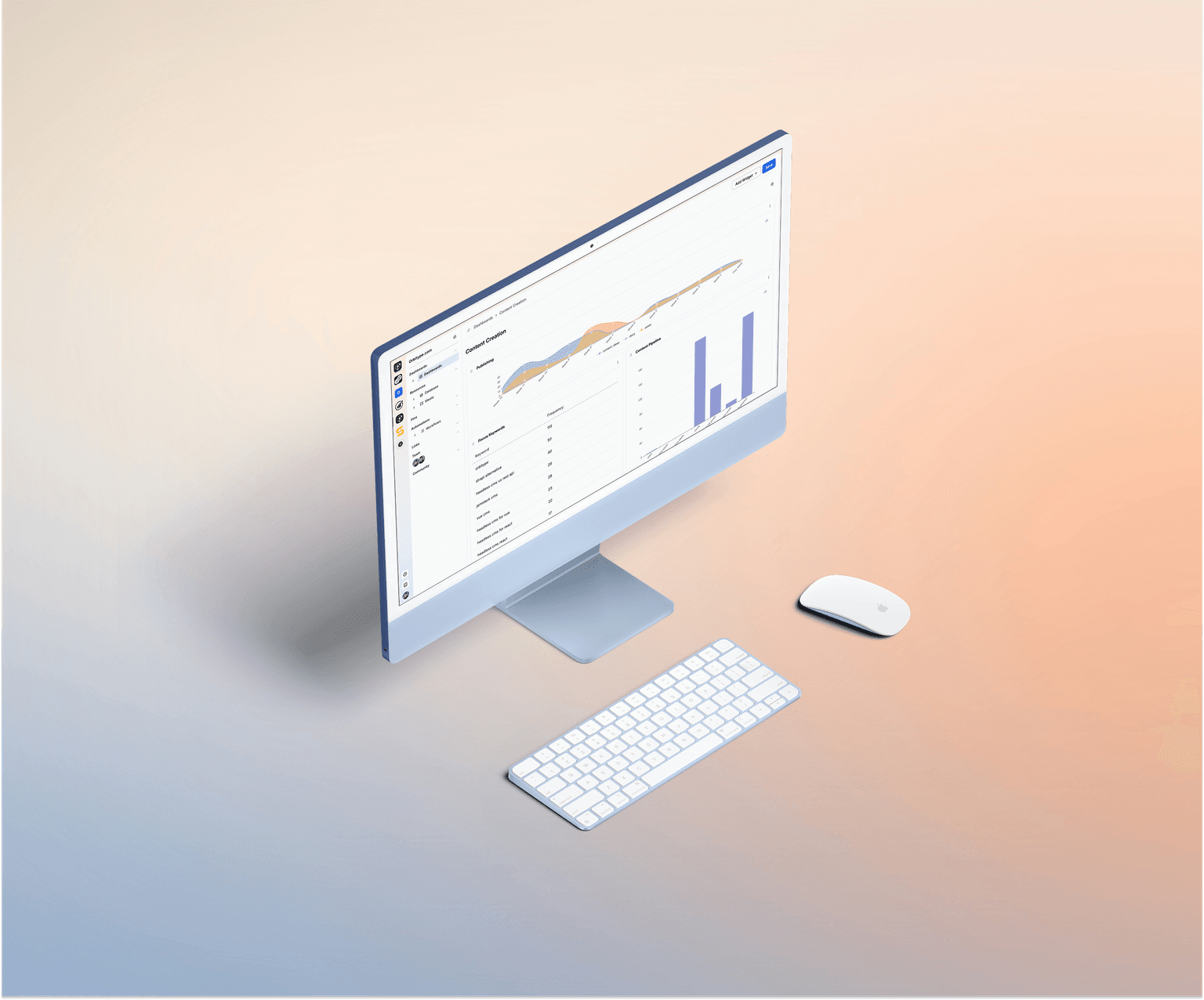
For businesses that need ultimate flexibility and multi-platform content delivery, a headless CMS is the best option. Modern headless platforms like Orbitype combine this flexibility with AI agents that can automate complex workflows, from content creation to distribution optimization.
AI Agents and Workflow Automation: The Game Changer
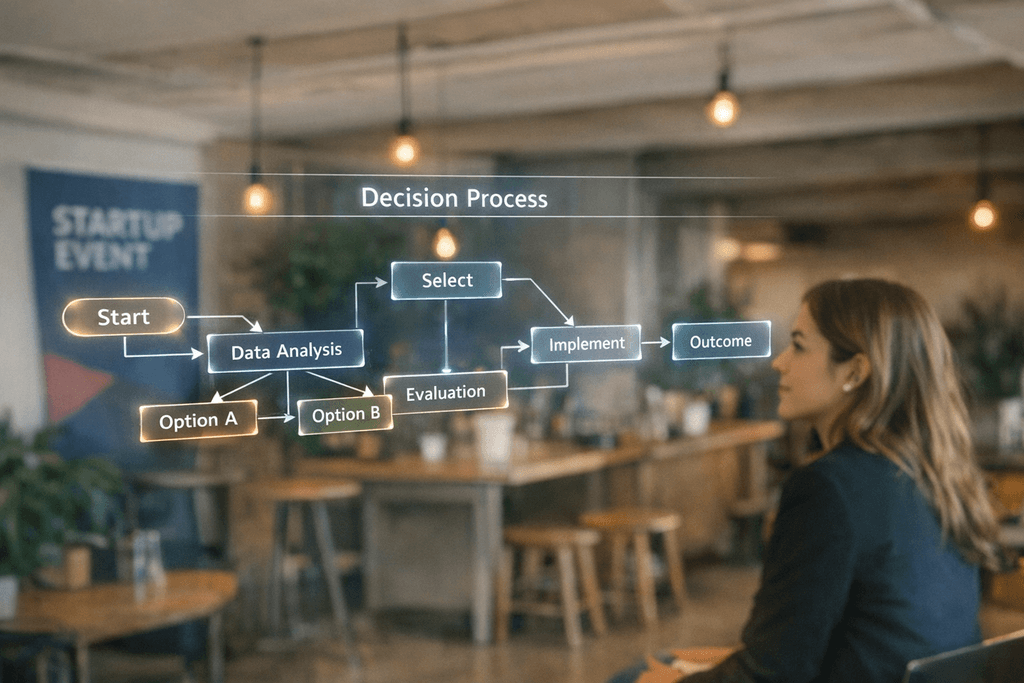
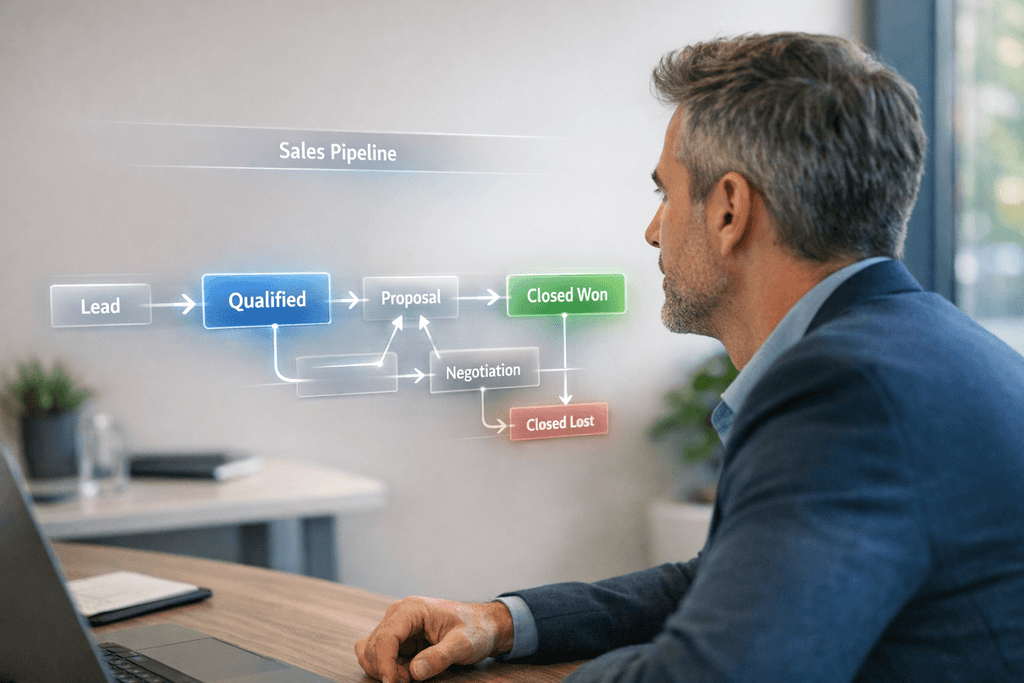
The evolution of content management is being driven by AI agents and workflow automation. These intelligent systems transform how businesses handle content operations, moving from manual processes to autonomous, data-driven workflows.
How AI Agents Enhance CMS Functionality
Automated Content Optimization – AI agents analyze user engagement patterns and automatically adjust content for better performance across different platforms.
Intelligent Content Distribution – Smart routing algorithms determine the optimal channels and timing for content publication based on audience behavior.
Real-time Performance Monitoring – AI workforce continuously monitors content performance and suggests improvements or automatically implements optimizations.
Personalized User Experiences – AI agents create dynamic, personalized content experiences based on user preferences and behavior patterns.
Orbitype's Agentic Cloud OS Advantage
Orbitype represents the next evolution in content management as an agentic Cloud OS. Unlike traditional headless CMS platforms, Orbitype integrates AI agents directly into the content workflow, enabling:
Autonomous content lifecycle management from creation to archival
Intelligent database optimization based on content usage patterns
Automated API endpoint generation for new content types
Smart integration with third-party services through AI-powered webhook management
This approach transforms content management from a reactive process to a proactive, intelligent system that anticipates needs and optimizes performance automatically.
Which CMS is Easier to Use?
One major factor in deciding between a decoupled and headless CMS is ease of use. While both offer flexibility, their usability depends on your team's technical expertise and project requirements.
Decoupled CMS: Easier to use for content editors, as it comes with a pre-built frontend. Content teams can preview changes before publishing, making it a great fit for marketing-driven teams. AI agents can enhance this experience by providing content suggestions and automated quality checks.
Headless CMS: More technical and requires front-end development, but offers greater control over content delivery. It's ideal for teams that prioritize customization and want to push content across multiple platforms. Modern platforms like Orbitype bridge this gap with intuitive interfaces and AI-powered assistance that simplifies complex workflows.
The AI Advantage in Usability
AI agents are revolutionizing CMS usability by:
Providing intelligent content suggestions based on performance data
Automating routine tasks like SEO optimization and meta tag generation
Offering real-time guidance for content creators through contextual assistance
Simplifying complex technical processes through natural language interfaces
If your team includes marketers and content creators who need visual previews, a decoupled CMS with AI enhancement is a safer choice. If your project is developer-driven and requires advanced customization, a headless CMS with intelligent automation support is the better fit.
When to Choose a Decoupled CMS
A decoupled CMS is a great choice if:
You need more flexibility than a traditional CMS but don't want to fully separate the frontend.
Your team includes non-technical content editors who need content previews and familiar editing interfaces.
You plan to integrate content via APIs but still want an out-of-the-box frontend solution for rapid deployment.
Your primary focus is managing a website, with some API-based content distribution to additional channels.
You want to implement AI-powered content optimization without completely rebuilding your content management approach.
Ideal Use Cases for Decoupled CMS
Corporate websites with multiple microsites that need consistent branding
E-commerce platforms requiring content synchronization across web and mobile
Marketing teams that need AI-assisted content creation and performance tracking
Organizations transitioning from traditional CMS to more flexible architectures
Decoupled CMS platforms work particularly well when you need the benefits of API-driven content delivery while maintaining the user-friendly experience that content teams expect.
When to Choose a Headless CMS
A headless CMS is the best fit if:
You need complete flexibility to manage content across multiple platforms (e.g., websites, mobile apps, smart devices, IoT applications).
Your business is focused on scalability and future-proofing, ensuring content remains reusable as new technologies emerge.
Your development team wants full control over the frontend without being tied to a specific CMS framework or template system.
Your business model involves personalized user experiences, requiring advanced customization and AI-driven content optimization.
You want to leverage AI agents for autonomous content management, including automated distribution, performance optimization, and workflow orchestration.
Advanced Use Cases for Headless CMS
Omnichannel retail experiences with synchronized content across all touchpoints
SaaS platforms requiring dynamic, user-specific content delivery
Media companies distributing content across multiple digital channels and devices
Enterprise applications needing AI-powered content personalization at scale
Modern headless CMS platforms like Orbitype excel in these scenarios by providing not just content management, but a complete agentic Cloud OS that integrates databases, cloud storage, and AI agents into a unified workflow automation platform.
Which CMS is Right for Your Project?
The decision ultimately comes down to how much flexibility you need and your team's technical capabilities:
If you need a balance between flexibility and ease of use, go with a decoupled CMS enhanced with AI-powered content optimization tools.
If you need a scalable, future-proof solution with full development freedom and AI workforce integration, choose a headless CMS like Orbitype.
Key Decision Factors
Team Composition: Technical teams benefit more from headless flexibility, while mixed teams may prefer decoupled solutions.
Platform Requirements: Multi-platform distribution strongly favors headless architecture.
Automation Needs: AI agents and workflow automation work best in headless environments with full API access.
Future Growth: Headless CMS platforms offer better scalability for expanding digital ecosystems.
Both offer significant advantages over traditional CMS platforms, but for businesses looking to build multi-platform digital experiences, scale efficiently, and future-proof content delivery with AI automation, a headless CMS is often the better long-term investment.
For developers working with React who want to understand how headless CMS can streamline their workflow, explore our detailed analysis on modern development approaches and content management integration strategies.
Conclusion
Choosing between a decoupled and headless CMS depends on your business needs and technical requirements. If you need some API flexibility but want a built-in frontend with AI-enhanced content management, a decoupled CMS is a solid choice. But if you're looking for maximum control, future scalability, and content that works across multiple platforms with intelligent automation, a headless CMS is the way to go.
The integration of AI agents and workflow automation is transforming both approaches, but headless architectures provide the most flexibility for implementing advanced AI workforce capabilities. Modern platforms like Orbitype represent the evolution toward agentic Cloud OS solutions that combine headless CMS functionality with intelligent automation, database management, and cloud storage in a unified platform.
For businesses and developers looking for a powerful, scalable headless CMS with integrated AI agents, Orbitype provides seamless API-driven content management, fast performance, and complete developer flexibility while enabling autonomous workflow automation that scales with your business needs.
Ready to experience the next level of content management with AI agents? Try Orbitype for free today by registering here. Learn more on our website or connect with our community on Discord.